


Land + Build
More than a sale.
I have spent years in construction, infrastructure, and residential development around Montana. That is the lens I use when I look at land, at a house, and at what either one will really take.
01How I help
Practical help on land and new construction.
Buying vacant land
Reading a parcel for what it can actually support before you commit to it.
Evaluating buildability
Access, slope, soils, utilities, and the questions that decide what a lot will take.
Understanding construction costs
Realistic numbers for site work, foundation, shell, and finish, before you buy.
New construction
Working with local builders on homes in the Gallatin Valley, from plans to punch list.
Working with builders
How to compare bids, schedules, and change orders without getting burned.
Spotting problems early
What a careful walkthrough tells you about a house, a site, or a deal that is not one.
02Buying land
What we look at before you buy.
Land is where most of the risk lives, and most of it is visible if you know what to look at. These are the questions I walk through with clients before an offer goes in, so the surprises show up on paper instead of at the building permit desk.
Some of these answers belong to a surveyor, an engineer, or the county, not to me. My job is to help you see them early, ask the right questions, and price them into your offer.
- Access
- Legal, physical, and year round. A parcel you cannot reach in February is not the parcel you thought you bought.
- Utilities
- Power distance and the cost to extend it, existing easements, and what the neighbors actually did.
- Water
- Well viability, depth, and flow, and what nearby well records show. Records are history, not a guarantee.
- Septic and soils
- Perc tests, groundwater, and how the county reviews wastewater on that specific parcel.
- Zoning and covenants
- What you are allowed to build, minimum sizes, setbacks, HOA rules, and rental limits.
- Slope, soils, and foundation
- What the ground does, how the lot drains, and what the foundation will need.
- Surveys and corners
- Where the lines actually are, and what easements cross the property.
- Cost to develop
- Driveway, power, water, septic, excavation. The part of land buying that surprises people.
03New construction
Build something that lasts.
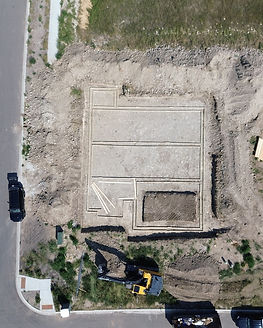
Building in the Gallatin Valley is a budget exercise as much as a design one. Land, site work, foundation, framing, envelope, and finish all move the number, and the decisions that matter most happen long before the first shovel.
I have worked alongside local general contractors building homes here, so I know what a realistic budget looks like, where allowances tend to go sideways, and what a builder's schedule actually means. Whether you come with plans, a builder, or just an idea, we can put real numbers against it.

Worth saying
Nothing here is engineering, surveying, architectural, legal, or tax advice. Well records do not guarantee water. Parcel maps and county data do not replace a survey. Zoning, covenants, septic, and development requirements have to be confirmed with the county or city, and construction costs vary with site, scope, and schedule. Verify anything that matters before you commit.


Bozeman Brokers Real Estate
Bill Chopp | Chopp Real Estate | Bozeman Brokers Real Estate
Bill Chopp is a licensed Montana real estate agent with Bozeman Brokers Real Estate. Property information is deemed reliable but not guaranteed; buyers are encouraged to verify all details independently.